

Politics
Debate on administrative units puts opposition on edge
Questions of governance have breathed new life into an old debate about Pakistan's provincial structure
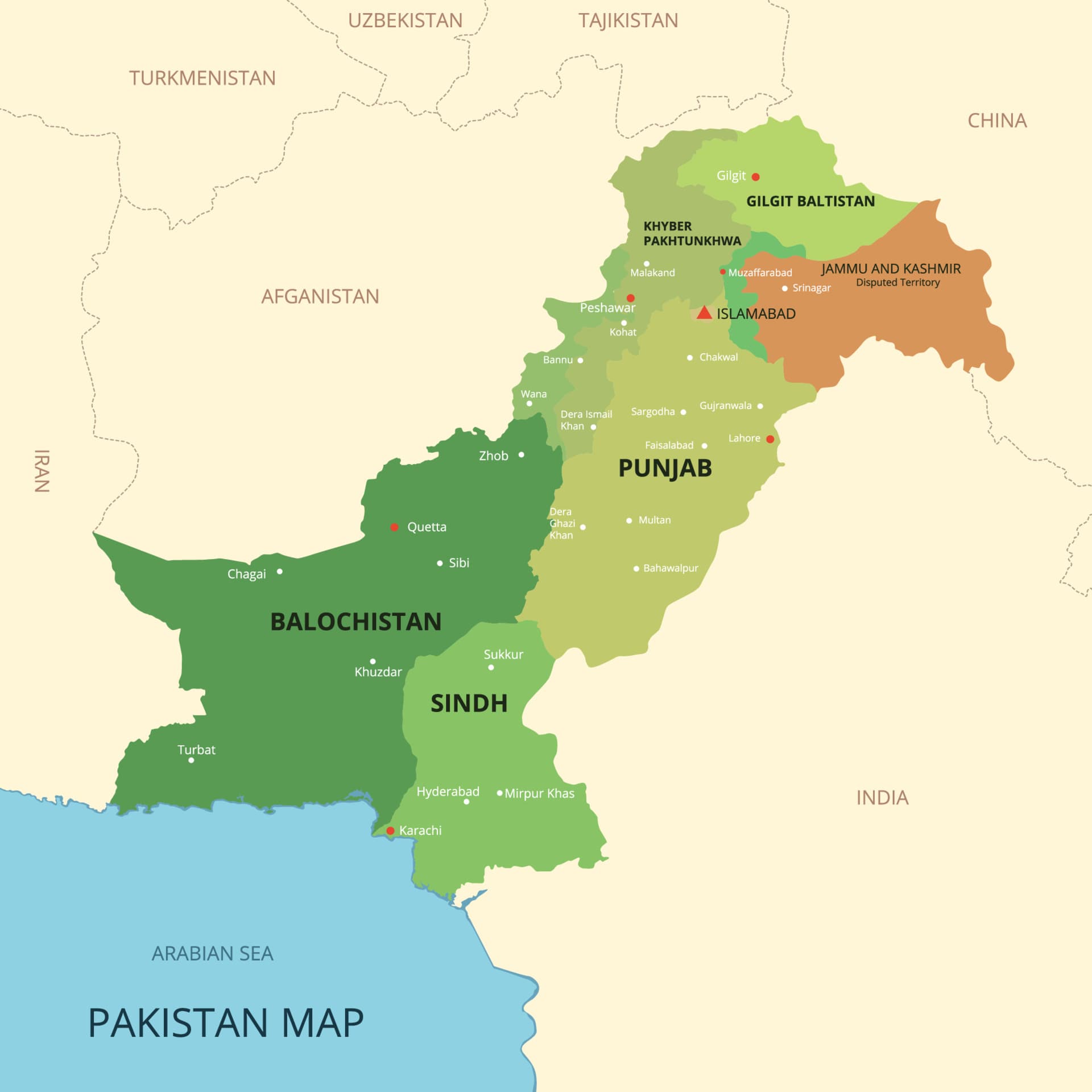
An old debate about constituionally demarcating new provinces and administrative units has once again reared its head, creating what may become a difficult debate for the PML-N government led by Prime Minister (PM) Shehbaz Sharif.
The country is currently formed by seven administrative units including the four provinces, the Islamabad Capital Territory, Azad Jammu and Kashmir, and Gilgit Baltistan, Critics of the current adminsitrative status quo say that the size and scale of the provincial and adminstrative units is an encumberance to rapid and efficient public service delivery, pointing to Pakistan's population growth of the last 50 years as a key factor in adminstrative difficulties.
The debate was, however, sparked by a member of the government, Interior Minister Mohsin Naqvi, who said in a speech last month that the present system had "collapsed", and was incapabe of solving the country's problems.
This sentiment was partly echoed in a seminar held by the Sustaiable Develpment Policy Institute (SDPI ) in Islamabad on Independence Day, which was attended by numerous public figures including Noor Alam Khan, Salman Akram Raja and Asad Umar of the PTI, who all noted that craetign new provinces would alone not solve pakistan's governance issues, but that other institutional economic reforms were also required.
PPP members Kamar Zaman Kaira and Nadeem Afzal Chan also attended and both noted that any such proposal needed to be managed carefully to ensure sustainable and equitable resource division and create consensus among the provincial stake holders. This was similar to the stance taken by Liaqat baloch of the JI.
Syed Mustafa Kamal and Aqeel Malik, both part fo the current government, resepectively noted that smaller administrative units would help bring government closer to people and that most voters approached elected representatives for daily issues like roads and sewerage.
A contrary opinion was delivered by Dr Farrukh Saleem along with journalist Mohammad Mallick, who voiced the opinion that there needed to be a change in government and political culture as well as reduced spending if any such reforms were to have a signifcant impact on improving peoples' lives.
The debate on administrative units is as old as Pakistan itself, stemming from the creation of West and East Pakistan as single adminsitrative units under the Ayub Khan government in 1964. Since then, changes in the provincial and admisntrative structure have often been proposed but failed to find political support among the established political parties.
The current debate comes as the government finds itself under increasing pressure to bring down inflation and improve the economy amind rising fuel costs and and after crticism of its response to devasating floods across the country.

What to Read Next
View all
Pakistan
Breakthrough in AI technology promises faster data processing

Pakistan
IMF approves Pakistan fiscal tranche

Pakistan
Parliament passes key economic reform bill in Pakistan.
Pakistan
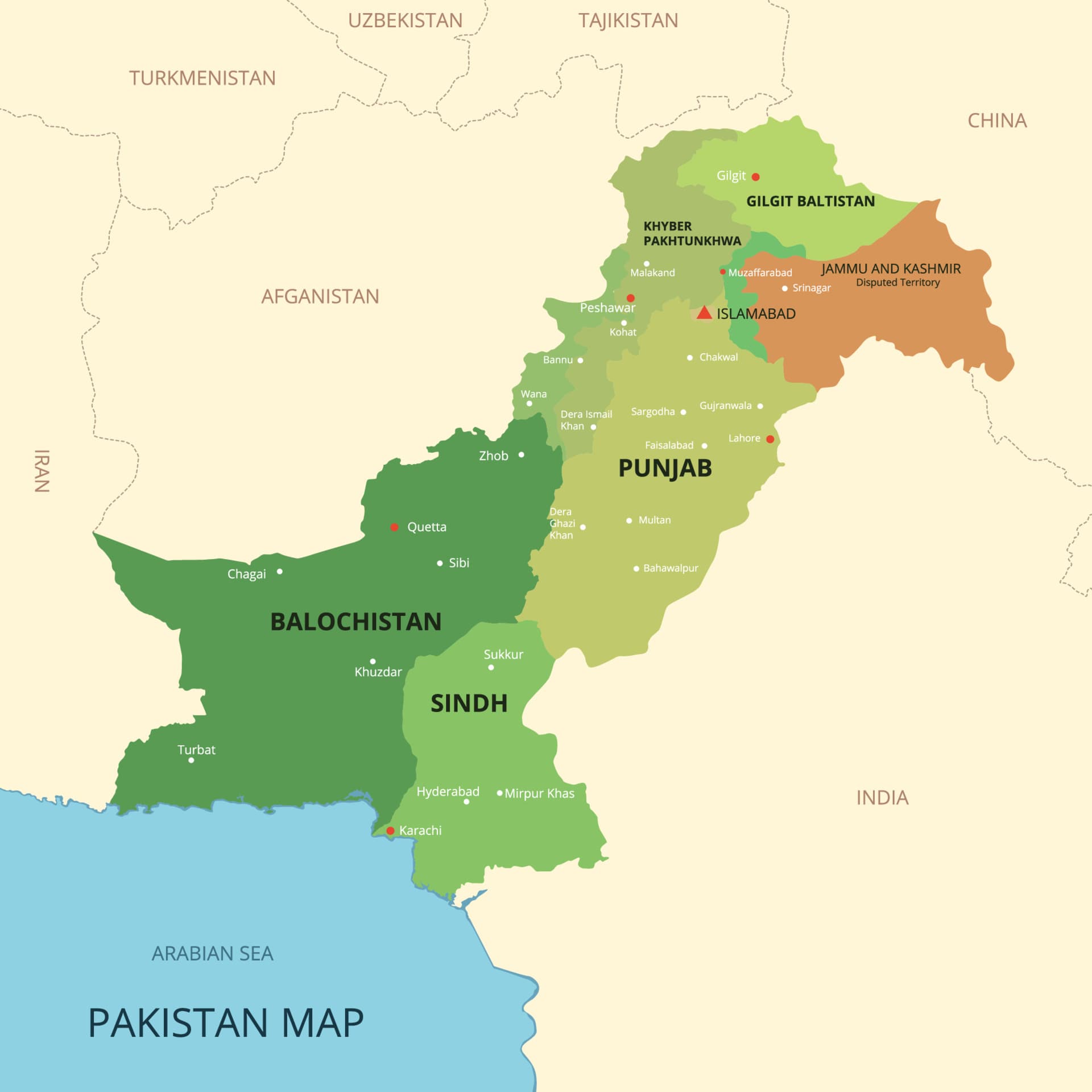
Population growth key reason for new provinces, say experts

Pakistan
How Pakistan's cities are redrawing the map for a hotter future
Pakistan